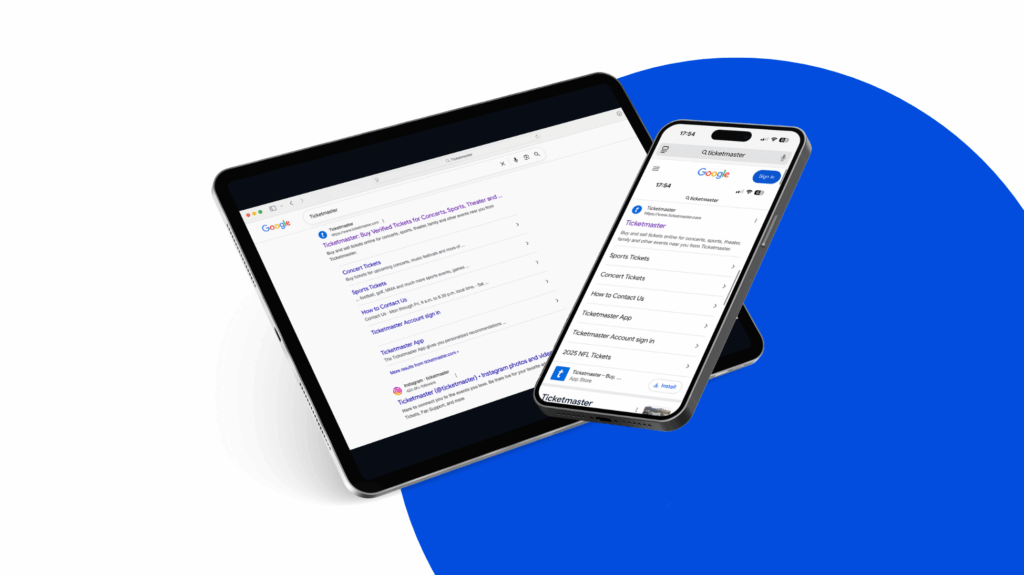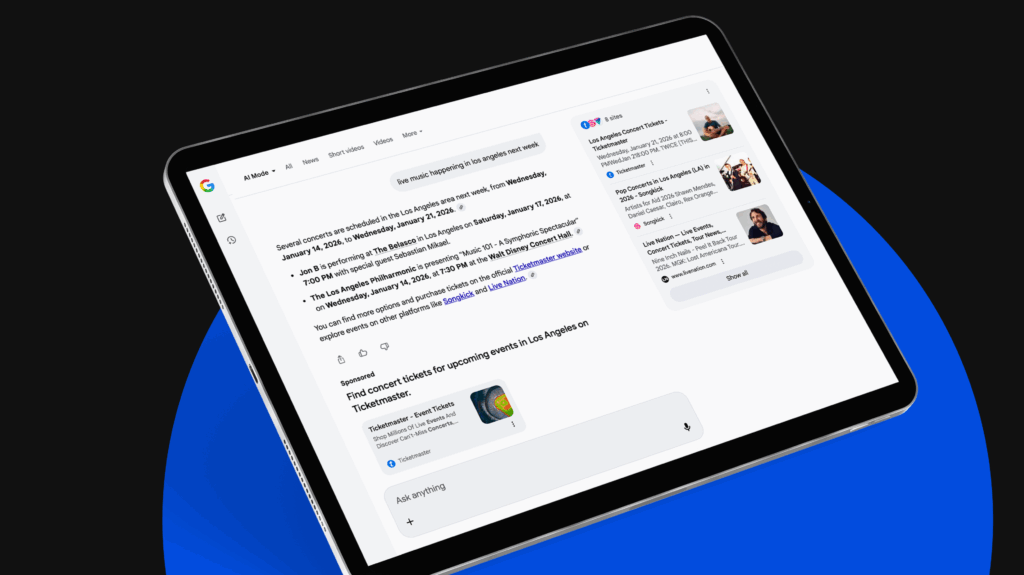
Search and fan behavior have changed. Fans now discover live events through AI-powered search, voice assistants, and mobile apps. For event professionals, this means Search Engine Optimization (SEO) is about more than just rankings. It is about being visible wherever fans are looking for their next live experience.
To succeed, you need to understand which metrics truly measure the impact of your SEO efforts. Focusing on the right data connects your event’s visibility to fan engagement and, most importantly, to ticket sales. This guide simplifies the process, highlighting the essential metrics that matter for your business.
1. Visibility & Reach Metrics
Visibility metrics show how often and where your events appear online. They are the first indicator of your SEO strategy’s effectiveness in reaching potential ticket buyers.
Key Metrics to Track:
- Search Impressions: This is the total number of times your event pages appeared in search results. A high number of impressions means your events are reaching a broad audience. It is a direct measure of your online reach.
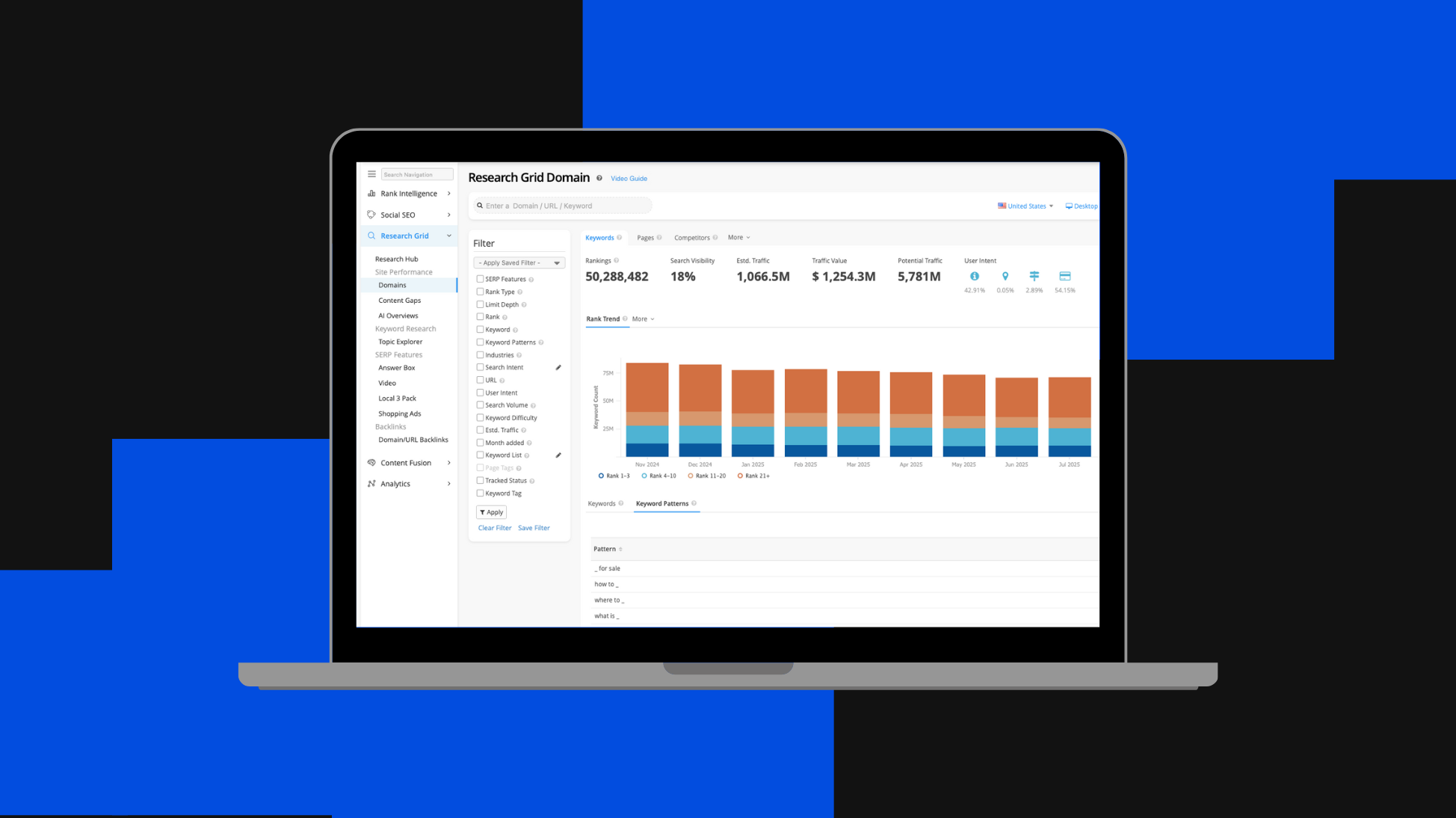
- Keyword Footprint: This metric tracks the number of keywords your content ranks for. A wider footprint shows your content is relevant for a variety of searches, from broad terms like “concerts in New York” to specific ones like “family theater show this weekend.”
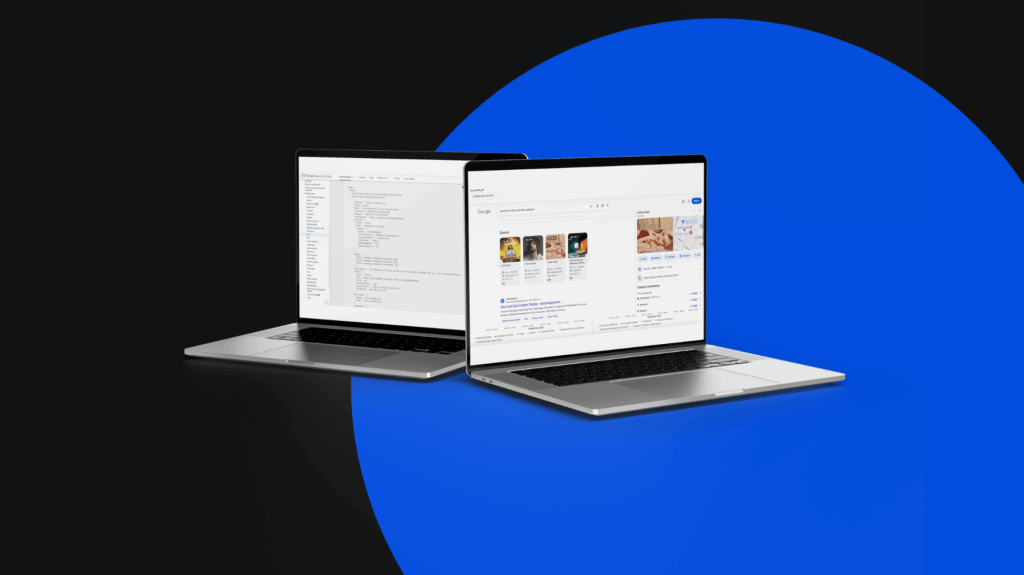
- Event Schema Coverage: This measures the percentage of your event pages using structured data, or schema. Schema helps search engines understand and display your event details, like date, venue, and price, directly in search results, making your listings stand out.
2. Engagement & Intent Metrics
Once fans find your content, engagement metrics show how compelling and relevant it is. High engagement signals that your content meets fan expectations and encourages them to take the next step.
Key Metrics to Track:
- Click-Through Rate (CTR): This is the percentage of users who see your event in search results and click on it. A strong CTR indicates that your page titles and descriptions are effective at capturing fan interest.
- Engaged Sessions: This metric measures interactions that last longer than a few seconds or involve more than one page view. It shows that fans are not just visiting your page, but are actively interested in the content, which is a strong quality signal to search engines.
- Organic Event Page Visits: This tracks how many fans land on your specific event detail pages directly from unpaid search results. It is a clear indicator that your SEO efforts are driving qualified traffic to your most important conversion pages.
3. Conversion & Business Impact Metrics
Conversion metrics are the ultimate measure of SEO success. They connect your online visibility directly to tangible business outcomes like ticket sales and revenue.
Key Metrics to Track:
- Checkout Starts from Organic Search: This shows the number of purchase flows initiated by users who arrived from an organic search. It is a critical link between fan interest and the intent to buy.
- Organic Ticket Revenue: This metric attributes total revenue directly to your organic search traffic. It provides a clear financial validation of your SEO strategy and demonstrates its contribution to your bottom line.
- Return on SEO Investment (ROSI): This calculates the financial value generated from organic traffic compared to the cost of your SEO efforts. A positive ROSI proves that your investment is delivering measurable returns for your business.
How to Track and Improve These Metrics
You can monitor most of these metrics using tools like Google Search Console and Google Analytics 4. When reviewing your performance, focus on trends over time rather than single data points. Look for consistent growth in impressions, engagement, and conversions.
Use these insights to refine your event page titles, improve your event schema, and optimize your content. Small, data-informed adjustments can lead to significant gains in visibility, stronger fan engagement, and ultimately, higher ticket sales. By focusing on these core metrics, you can measure what matters and ensure your SEO strategy is effectively driving business growth.