Search Engine Optimization (SEO) is a critical component for maximizing your event’s visibility and driving ticket sales. By optimizing your online presence, you make it easier for fans to find your events through search engines like Google. This guide provides foundational SEO best practices tailored for event professionals. Implementing these strategies will help you increase reach, enhance fan engagement and improve operational efficiency.
The Foundation: Why SEO Matters for Ticket Sales
Integrated within Ticketmaster’s industry-leading Marketing & Measurement Solutions, SEO plays a key role in helping your events surface at the top of search results and convert fan interest into ticket sales. Effective SEO for ticket sales is not just about driving traffic; it’s about attracting casual fans who are highly likely to convert into ticket holders.
By investing in SEO, you build a sustainable marketing channel that delivers consistent results. Unlike paid advertising, which stops when you stop paying, a well-ranked event page can generate organic traffic and sales long-term. This provides a significant return on investment and helps build your brand’s authority in the live events space.
Keyword Research: Understanding Fan Intent
Keywords are the terms fans use when searching for events. Understanding these terms is the first step in any successful SEO campaign. Your keyword strategy should focus on what your target audience is searching for and the intent behind those searches.
Identifying Your Core Keywords
Start by brainstorming the primary terms related to your event. Think like a fan. What would they type into Google? Consider the artist or team, the venue, the city, and the type of event.
- Primary Keywords: These are broad terms, such as “rock concerts in New York” or “Los Angeles pro basketball games.”
- Long-Tail Keywords: These are more specific phrases, like “indie music festival Brooklyn September” or “family-friendly theatre show downtown.” Long-tail keywords often have lower search volume but a much higher conversion rate because they capture fans with a very specific intent.
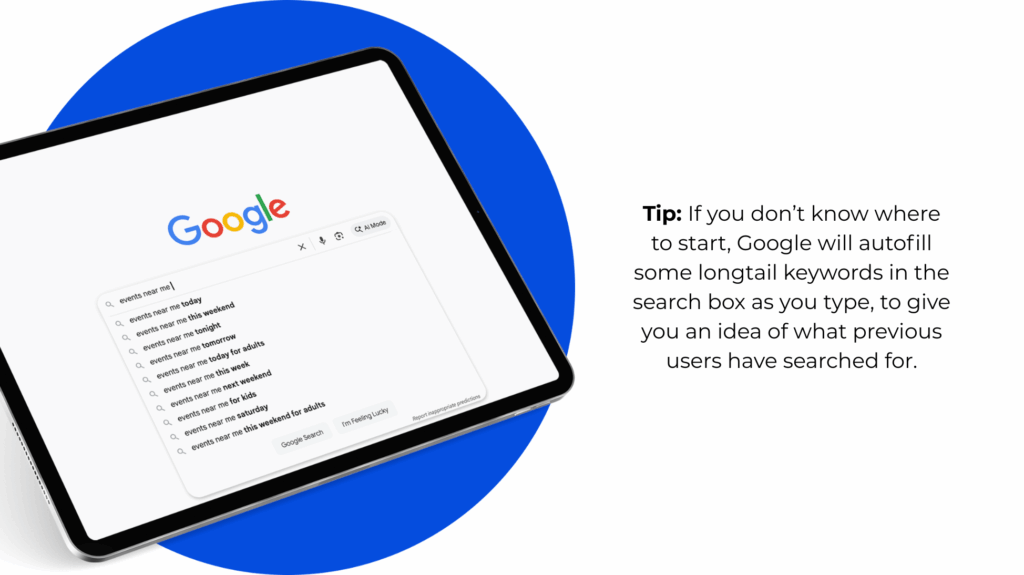
Tools for Keyword Discovery
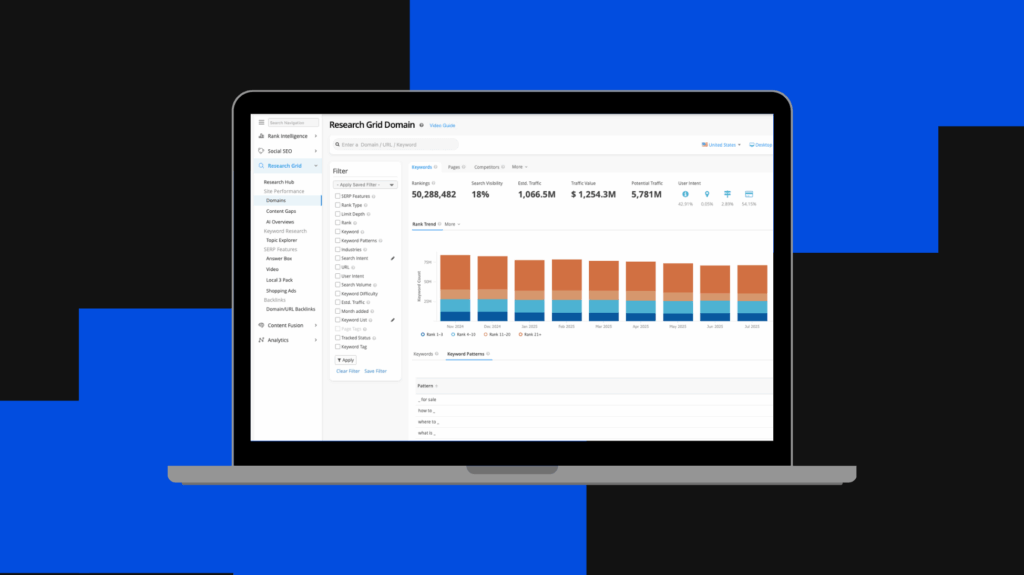
Several tools can help you identify and analyze keywords. Use them to discover search volume, assess competition and find related terms that fans are using. This data is essential for building a list of target keywords that will drive relevant traffic. Once you have your list, you can begin to integrate these terms naturally into your event pages and promotional content.
On-Page SEO: Optimizing Your Event Pages
On-page SEO involves optimizing the individual elements of your event pages to rank higher in search results. Each component of your page, from the title to the images, presents an opportunity to signal relevance to search engines and improve the user experience.
Crafting Compelling Page Titles and Meta Descriptions
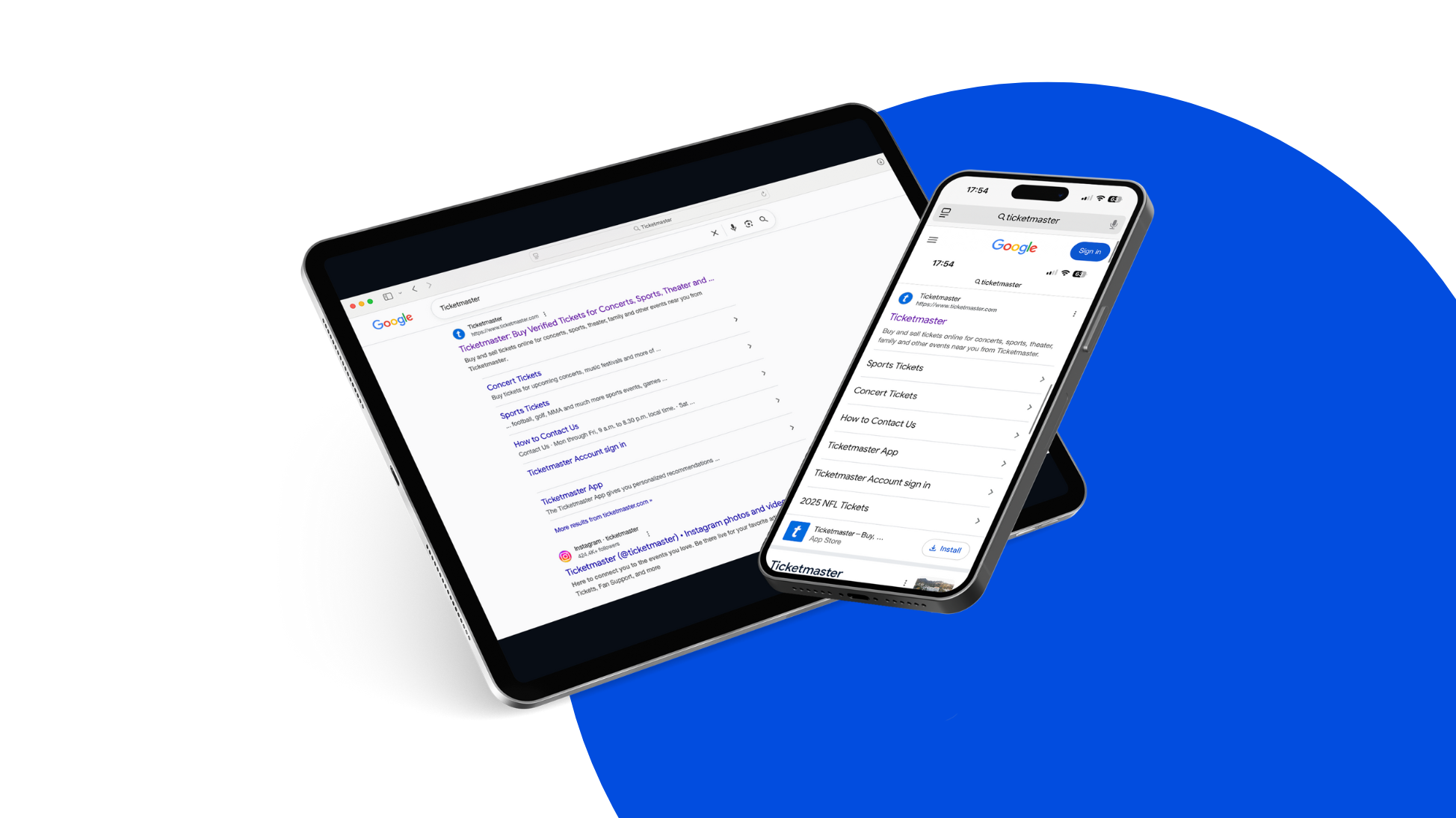
The page title (or title tag) and meta description are the first things a user sees in search results. They need to be compelling enough to earn the click.
- Page Title: Keep it under 60 characters and include your primary keyword, event name, and location. For example, “Kit Smith at The Ballroom: Official Tickets.”
- Meta Description: Write a concise summary (under 155 characters) of the event. Include a call-to-action, such as “Get your official tickets now,” to encourage clicks. This is your “ad” in the search results, so make it count.
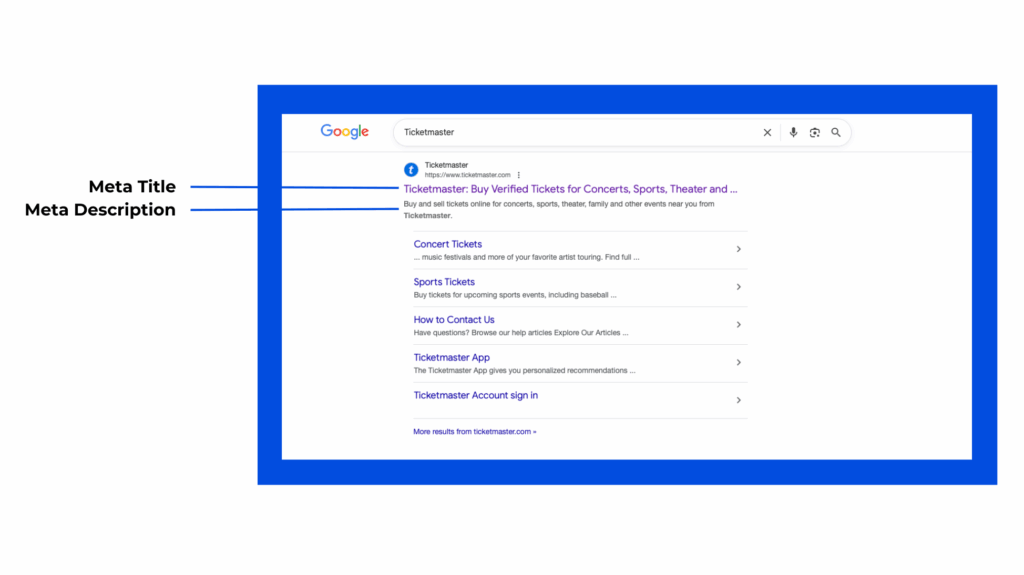
Structuring Content with Headings
Use headings (H1, H2, H3) to structure your content logically. Your main page title should be an H1 tag. Use H2 tags for major sections, such as “About the Artist,” “Venue Information,” and “Ticket Options.” This hierarchy helps both users and search engines quickly understand the content of your page. Proper structure improves readability and allows search engines to crawl your site more effectively.
For example, an H2 for “Event Details” could be followed by H3s for “Date and Time,” “Location,” and “Parking Information.” This clear, scannable format enhances the fan experience and supports your overall SEO efforts. Below is an example of how it may appear in WordPress.
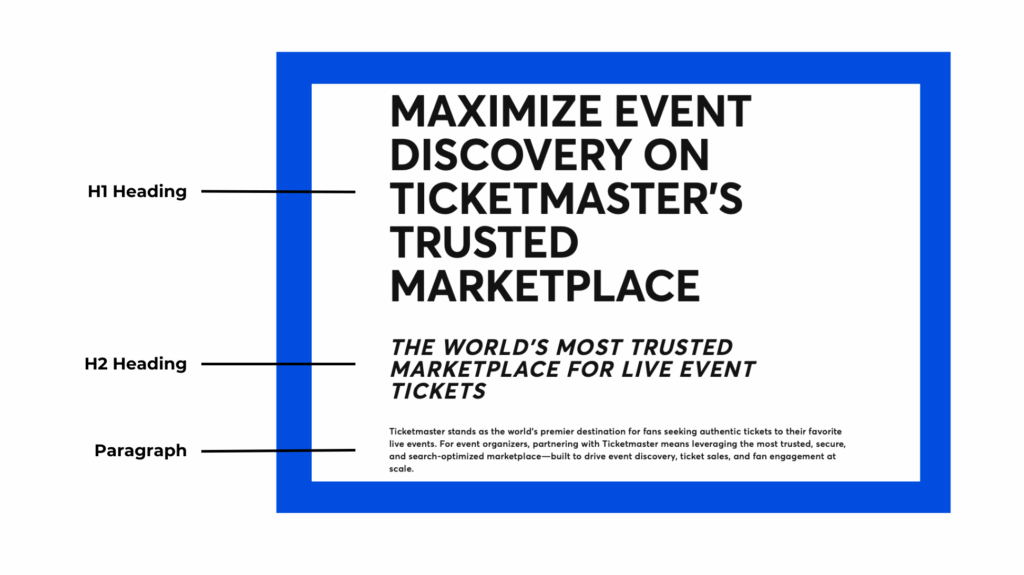
Optimizing Images and Multimedia
Images and videos are powerful tools for fan engagement, but they must be optimized for search. Use descriptive file names and “alt text” for all images. Alt text describes the image to search engines and to users who cannot see it. For instance, instead of “IMG_8765.jpg,” name your file “the-killers-live-concert.jpg” and use alt text like “The Killers performing live on stage.” This helps your images appear in Google Image Search, creating another channel for discovery.
How Ticketmaster’s SEO-Optimized Marketplace Drives Ticket Sales.
Technical SEO: Ensuring a Seamless Experience
Technical SEO focuses on improving the backend structure of your website to help search engines crawl and index it more efficiently. A technically sound website provides a better experience for users, which is a key ranking factor.
Mobile-First Optimization
A majority of fans search for and purchase tickets on their mobile devices. Your website must be fully responsive and provide a seamless experience across all screen sizes. Google uses mobile-first indexing, meaning it primarily uses the mobile version of your site for ranking and indexing. A poor mobile experience can directly harm your search rankings and lead to lost sales. Ensure that buttons are easy to tap, text is readable without zooming, and page load speeds are fast on mobile networks.
Page Speed and Performance
Page load speed is a critical ranking factor. A slow-loading site leads to high bounce rates and frustrated users. You can use tools like Google’s PageSpeed Insights to analyze your site’s performance and receive recommendations for improvement. Compressing images, minimizing code, and leveraging browser caching are common ways to increase speed. A faster website not only ranks better but also converts more users into fans who buy tickets.
Driving Growth Through SEO
Implementing foundational SEO best practices is a powerful way to connect with more fans, drive ticket sales and enhance the overall success of your events. By focusing on keyword research, on-page optimization and technical performance, you can build a strong online presence that delivers measurable results.
Start by identifying the keywords your fans are using, then optimize your event pages with compelling titles, structured content, and descriptive media. Ensure your website is fast, mobile-friendly, and technically sound to provide the best possible user experience. These strategies will help you secure top positions in search results, making it easier for fans to discover and attend your events.
Learn how to take your SEO strategy to the next level with Ticketmaster’s “Advanced SEO Guide”
Ready to see how Ticketmaster’s marketing strategies can help get your event discovered?